
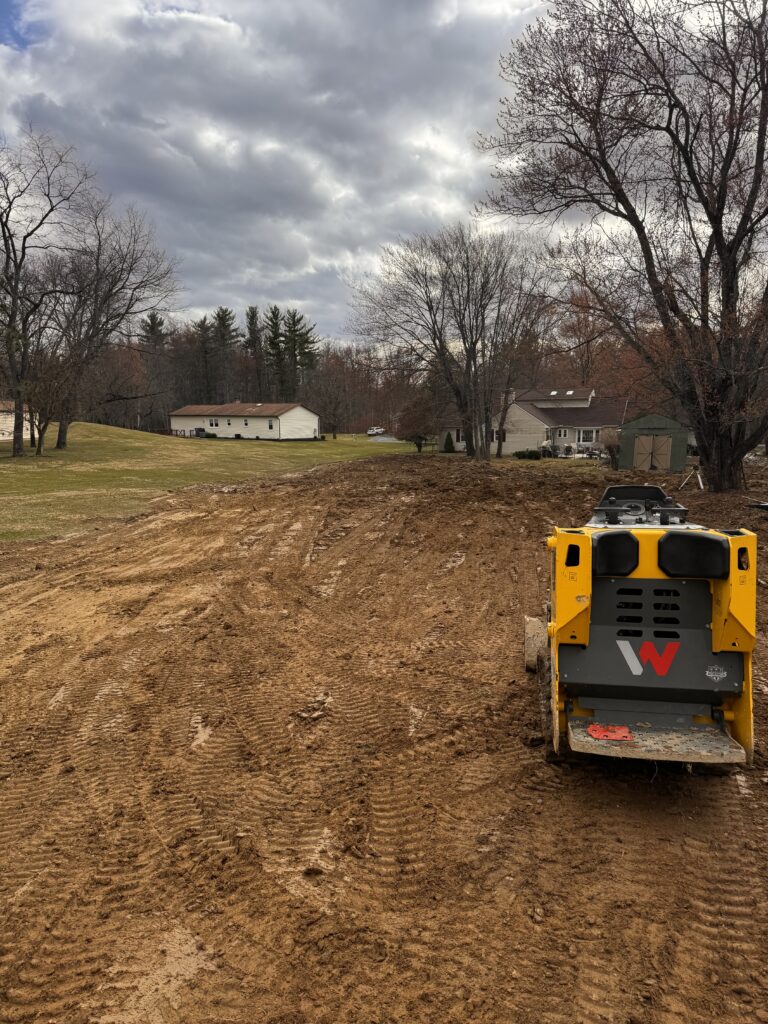
When it rains, where does the water go in your yard? If the answer is toward your home—or if it sticks around longer than it should—you may have a grading issue. Yard grading is one of the most important yet overlooked aspects of maintaining a healthy property. By carefully shaping the slope of your land, yard grading services help water flow away from your home instead of pooling around your foundation, flooding your basement or creating soggy spots in your lawn.
Whether you’re planning to install new landscaping or simply want to fix a drainage problem once and for all, understanding the basics of yard grading can save you time, money, and future headaches. In this guide, we’ll break down what grading is, why it matters, how to spot issues, and when to call in the pros.
What Is Yard Grading and Why Does It Matter?
Yard grading is the process of reshaping the slope of your land so that water flows away from your home—not toward it. While it may not be the most glamorous part of yard maintenance, it’s one of the most important. Without proper grading, even light rain can lead to water pooling, soggy lawns, or damage to your foundation.
Here’s what good grading sets you up for:
Better aesthetics and usability: Smooth, level surfaces make your yard more attractive and easier to maintain.
Stronger, healthier landscaping: Soil stays in place, and water flows where it’s needed—not where it’s destructive.
Safer, drier foundations: Grading helps prevent costly water intrusion in basements and crawl spaces.
Signs You May Need Yard Grading Services
Not sure if your yard needs grading? The signs are often right in front of you—you just have to know what to look for. Yard grading problems don’t always show up as dramatic floods or craters in the lawn. Often, they’re small but persistent issues that slowly cause damage over time.
Here are some of the most common red flags:
- Soggy or uneven lawn: Mushy patches, sloping dips, or areas where grass refuses to grow may indicate poor grading.
- Water in your basement or crawl space: Moisture around your foundation is often a symptom of water flowing the wrong way.
- Visible soil erosion or exposed roots: When rain consistently washes away topsoil, it’s a sign that runoff is too aggressive or poorly directed.
- Shifting or cracking in patios and walkways: Hardscapes that move, sink, or crack might be suffering from unstable ground caused by improper drainage.
If you’re noticing one or more of these signs, it’s worth having your yard evaluated. Grading isn’t always the only issue, but it’s often a big part of the problem—and fixing it early can prevent bigger headaches later.
Can You DIY Yard Grading?
For homeowners with minor drainage issues and a little DIY confidence, some light grading might be manageable. Small fixes like adding topsoil to low spots or reshaping the grade around flower beds can improve runoff. But for anything beyond surface-level touch-ups, yard grading is more complex than it looks.
Here’s why:
- It’s all about the slope. Getting the right pitch—typically 2-3% or about 1/4 inch per foot away from your home—is key. Too steep, and water runs off too fast. Too flat, and it pools.
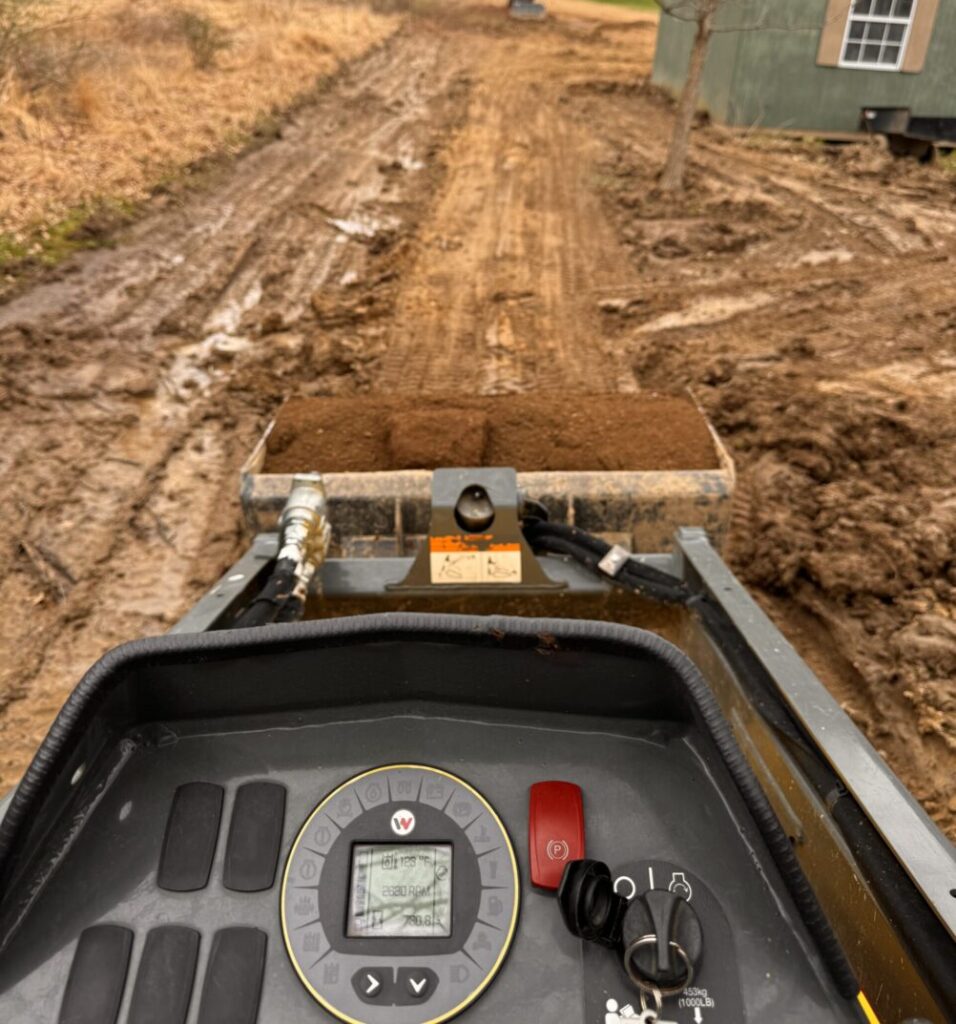
- You need the right equipment. Even a small grading job can require tools like skid steers, soil compactors, or laser levels to get things right.
- DIY mistakes can cost you. Poor grading can actually make drainage worse, leading to erosion, structural damage, and costly rework.
Unless you’re confident with measuring slope and working with soil, it’s usually best to call a professional for yard grading services. They’ll have the tools, experience, and understanding of local soil conditions to get the job done right the first time.
What to Expect from a Professional
Hiring a professional for your yard grading takes the guesswork out of the equation. If you’ve been dealing with drainage issues or are planning a landscaping project, a proper grading job can be the difference between long-term success and ongoing frustration.
Here’s what you can typically expect from a professional grading service:
- Site evaluation and slope planning: A pro will assess the existing grade, soil conditions, and how water currently flows across your property. They’ll determine the best slope and direction for drainage.
- Precision tools and equipment: Professionals use laser levels, grading machines, and compactors to sculpt the land with accuracy that’s hard to achieve by hand.
- Soil movement and contouring: This may involve removing or adding soil, redistributing it strategically, and compacting it to create a stable surface.
- Drainage enhancements if needed: In some cases, grading is paired with the installation of French drains, dry wells, or downspout extensions to fully control water flow.
At the end of the day, hiring experts like Ingold Landscaping ensures your yard is not only functional but also ready for whatever improvements you have in mind—be it lush landscaping, a new patio, or a worry-free rainy season.
Protect Your Home from the Ground Up
Yard grading isn’t just a landscaping upgrade—it’s a smart investment in your home’s long-term health. From preventing basement leaks to improving the look and feel of your outdoor space, proper grading solves more problems than you might think.
If you’re dealing with drainage issues, standing water, or planning any major outdoor project, now’s the time to address the slope of your yard. The sooner you take care of it, the more time and money you’ll save down the road.
Not sure where to start? Let Ingold Landscaping take a look. Our team can assess your property, recommend the best grading solution, and help you reclaim your yard with confidence.